
Knowing the Heart Attack and How It Works
Slightly to the left of the chest, the human heart is a muscular organ roughly the size of a fist. Its primary function is to circulate blood that is rich in oxygen throughout the body. The coronary arteries carry nutrients and oxygen to the heart itself. Chest pain or, in extreme situations, a heart attack can result from the interruption of the heart’s blood supply caused by narrowing or blockage of these arteries.
What Exactly is a Heart Attack?
When one or more coronary arteries are abruptly blocked, a heart attack occurs. Atherosclerosis, a disorder in which fatty deposits (plaques) accumulate inside the artery walls, is most frequently the cause of this blockage. These plaques have the potential to burst over time, causing a blood clot to form that blocks blood flow.
The heart muscle in that region starts to die within minutes of the blood supply being cut off. The size of the blockage, the location of the clot, and the speed at which the patient receives treatment all affect how severe a heart attack is.
Causes of Heart Attack
1. Although coronary artery disease is the most frequent cause, a heart attack can also result from a number of other factors, including:
1. Atherosclerosis (Plaque Buildup): The arteries narrow and become more prone to clot formation as a result of the accumulation of cholesterol, fat, and other materials.
2. Blood Clots: The body forms a blood clot in an attempt to heal the site of a plaque rupture, which may totally block the artery.
3. Coronary Artery Spasm: This condition occurs when the artery temporarily constricts, reducing or stopping blood flow. Those who smoke or use drugs like cocaine are more likely to experience this 4.
O 4. other Medical Conditions: Conditions like high blood pressure, diabetes, and obesity significantly increase the likelihood of developing heart disease, which can eventually lead to a heart attack.
Risk Elements
The following variables raise the risk of having a heart attack:
• Risk factors that cannot be changed:
• Age (risk rises for women after age 55 and for men after age 45)
• Heart disease in the family
• Gender (although women catch up after menopause, men are slightly more at risk at younger ages) • Modifiable Risk Factors:
Smoking and elevated cholesterol
Chronic stress, high blood pressure, diabetes or insulin resistance, a sedentary lifestyle, an unhealthy diet heavy in fat, sugar, and salt, obesity, and excessive alcohol use
Warning Signs and Symptoms
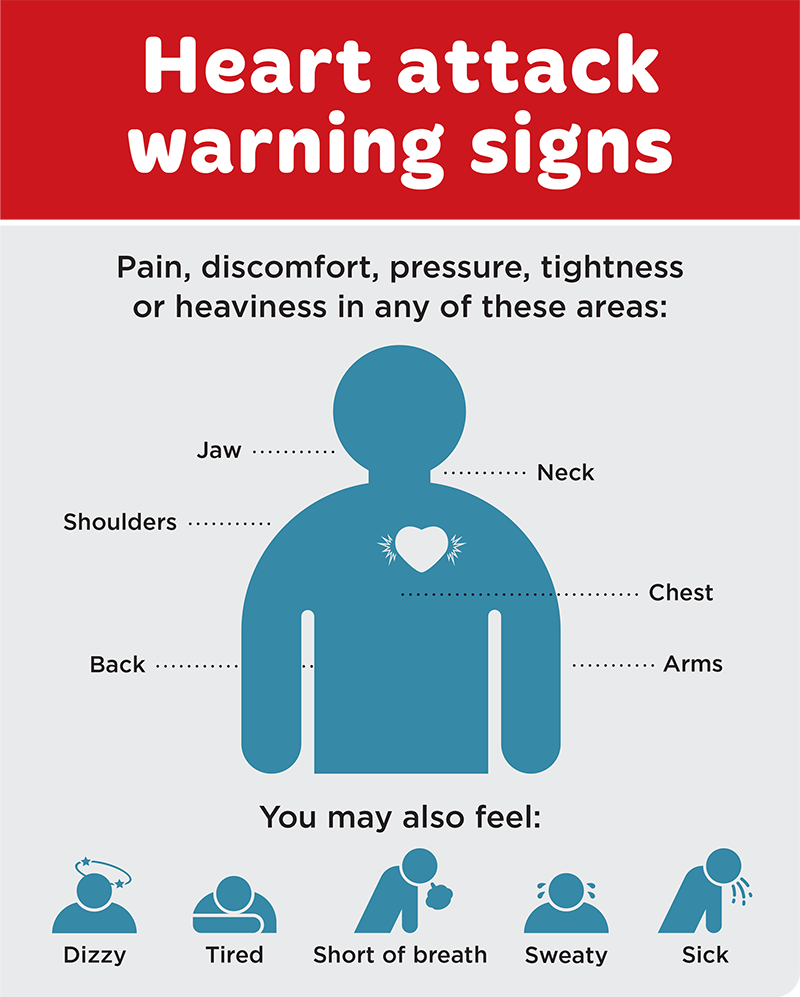
It can save lives to recognise the signs of a heart attack. Typical signs and symptoms include:
• Chest Discomfort: The majority of heart attacks are characterised by tightness, pressure, or pain in the left or middle chest. This pain could be intermittent or persist for a few minutes.
• Pain in Other Areas: The back, neck, jaw, stomach, shoulders, and arms—particularly the left arm—may all experience discomfort.
• Shortness of Breath: This may be accompanied by a sense of suffocation and can happen with or without chest pain.
• Additional symptoms include indigestion-like feelings, lightheadedness, sweating, nausea, and unusual exhaustion.
Notably, women frequently suffer from milder symptoms like indigestion, fatigue, dizziness, or jaw and back pain. Delays in seeking treatment can occasionally result from this.
How to Respond to a Heart Attack
It’s critical to act quickly if you or someone close to you is exhibiting heart attack symptoms:
1. Make an emergency services call: As soon as possible, dial your local emergency number. Time is of the essence.
2. Take Aspirin (if recommended and not allergic): Aspirin thins the blood and may prevent clots.
3. Remain Calm and Rest: To lessen cardiac strain, sit or lie down in a comfortable position.
4. CPR if Necessary: Until expert assistance arrives, administer CPR if the person passes out and stops breathing.
Diagnosis
In the hospital, medical professionals verify a heart attack by:
• Electrocardiogram (ECG): Identifies damage patterns and irregular heartbeats.
• Blood tests: Look for cardiac enzymes, such as troponin, which are released when the heart muscle is injured.
• Imaging tests: angiography or echocardiogram to see blood flow and obstructions.
Options for Treatment
Restoring blood flow to the heart muscle as soon as possible is the main objective of treatment. Typical therapies consist of:
1. Drugs:
Blood thinners (heparin, aspirin) and medications that dissolve clots (thrombolytics)
• ACE inhibitors and beta-blockers to lessen cardiac strain; nitroglycerin and pain relievers to alleviate chest pain
1. Medical Operations:
• Angioplasty and Stenting: A balloon-equipped catheter is inserted into the clogged artery, inflated to restore blood flow, and frequently a stent is then implanted.
• Coronary Artery Bypass Graft (CABG): A surgical technique in which a vein or healthy artery is transplanted to circumvent the clogged artery.
Recuperation and Modifications to Lifestyle
It takes more than just hospital care to recover from a heart attack. Cardiovascular rehabilitation is a medically supervised program of exercise, education, and counselling that is part of long-term care.
• Lifestyle Changes: Maintaining a heart-healthy diet, getting regular exercise, giving up smoking, and controlling stress.
• Medication Adherence: In order to avoid recurrence, many patients must continue taking drugs like aspirin, beta-blockers, and statins.
Prevention
Since heart attacks are strongly linked to lifestyle, prevention is possible through healthy habits:
1. Consume Heart-Healthy Foods: Give special attention to fruits, vegetables, whole grains, lean meats, and healthy fats (such as those found in nuts and fish). Avoid too much salt, sugary foods, and trans fats.
2. Remain Active: Try to get in at least 150 minutes a week of moderate exercise.
3. Keep Your Weight in Check: Being overweight puts more stress on the heart and raises the risk of diabetes and high blood pressure.
4. Quit Smoking: Smoking accelerates the accumulation of plaque and damages blood vessels.
5. Limit Alcohol: If you drink alcohol at all, do so in moderation.
6. Routine Exams: Track blood pressure, blood sugar, and cholesterol levels.
7. Control Stress: Prolonged stress causes blood pressure to rise and can lead to bad habits.
Global Burden of Heart Attacks
The world’s leading cause of death is heart disease, which includes heart attacks. The World Health Organization (WHO) estimates that heart attacks make up a significant percentage of the over 17 million deaths that occur each year as a result of cardiovascular diseases. Because of sedentary lifestyles, poor diets, and growing urbanization, the incidence is rising in low- and middle-income nations.
Conclusion
In addition to being a medical emergency, a heart attack serves as a warning to people and communities. Even though the illness can be fatal, there are life-saving treatments available thanks to modern medicine, and many lives can be saved with prompt medical attention and early detection. More importantly, the risk of a heart attack can be considerably reduced by implementing preventive strategies like stress management, regular exercise, healthy eating, and quitting smoking.
In the end, it is mostly up to you to safeguard your heart. You can not only survive but also thrive with a healthier heart by adopting thoughtful lifestyle choices and remaining vigilant about the warning signs.